Beginning from the Centre: Cycles, Intention, and the Start of Practice
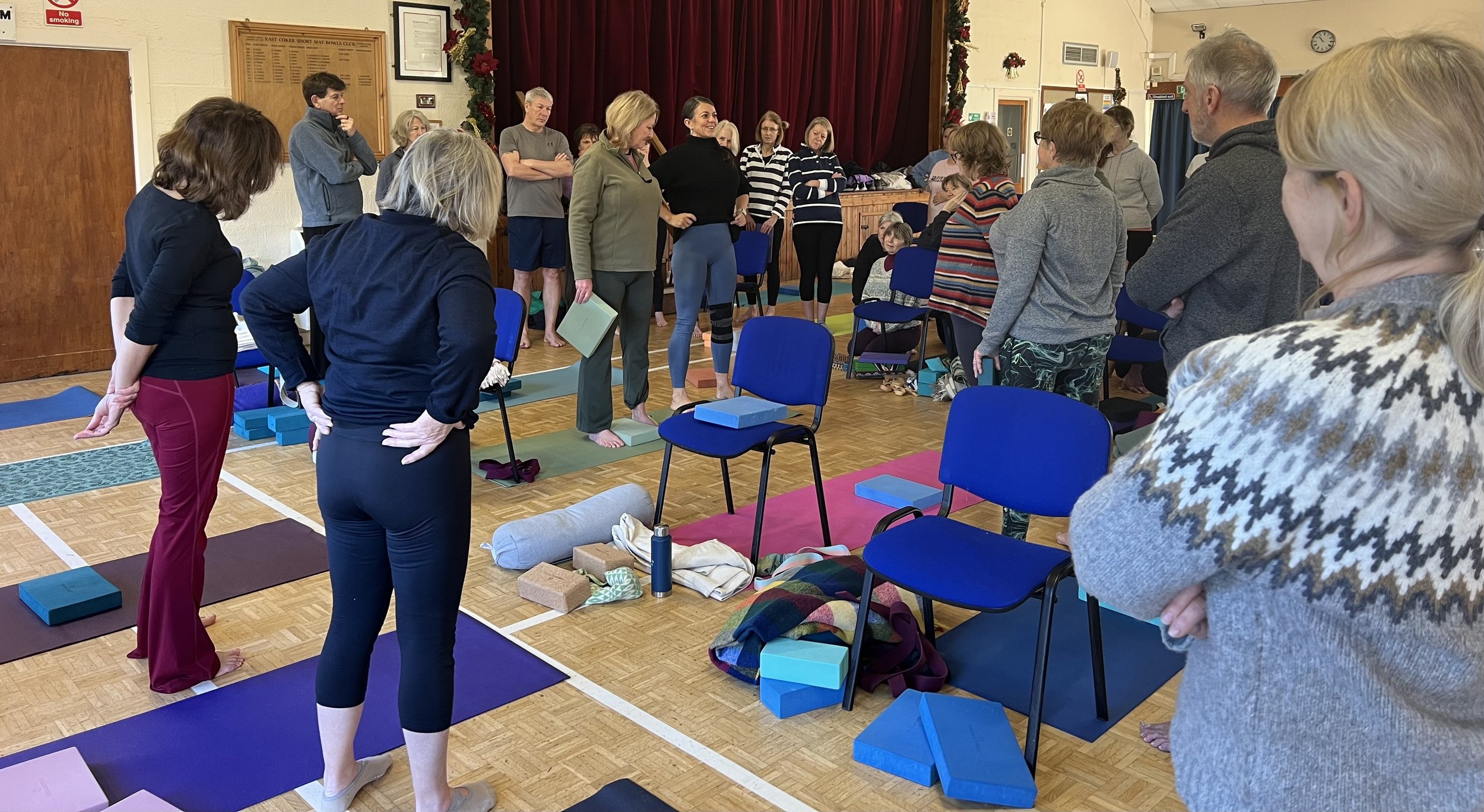
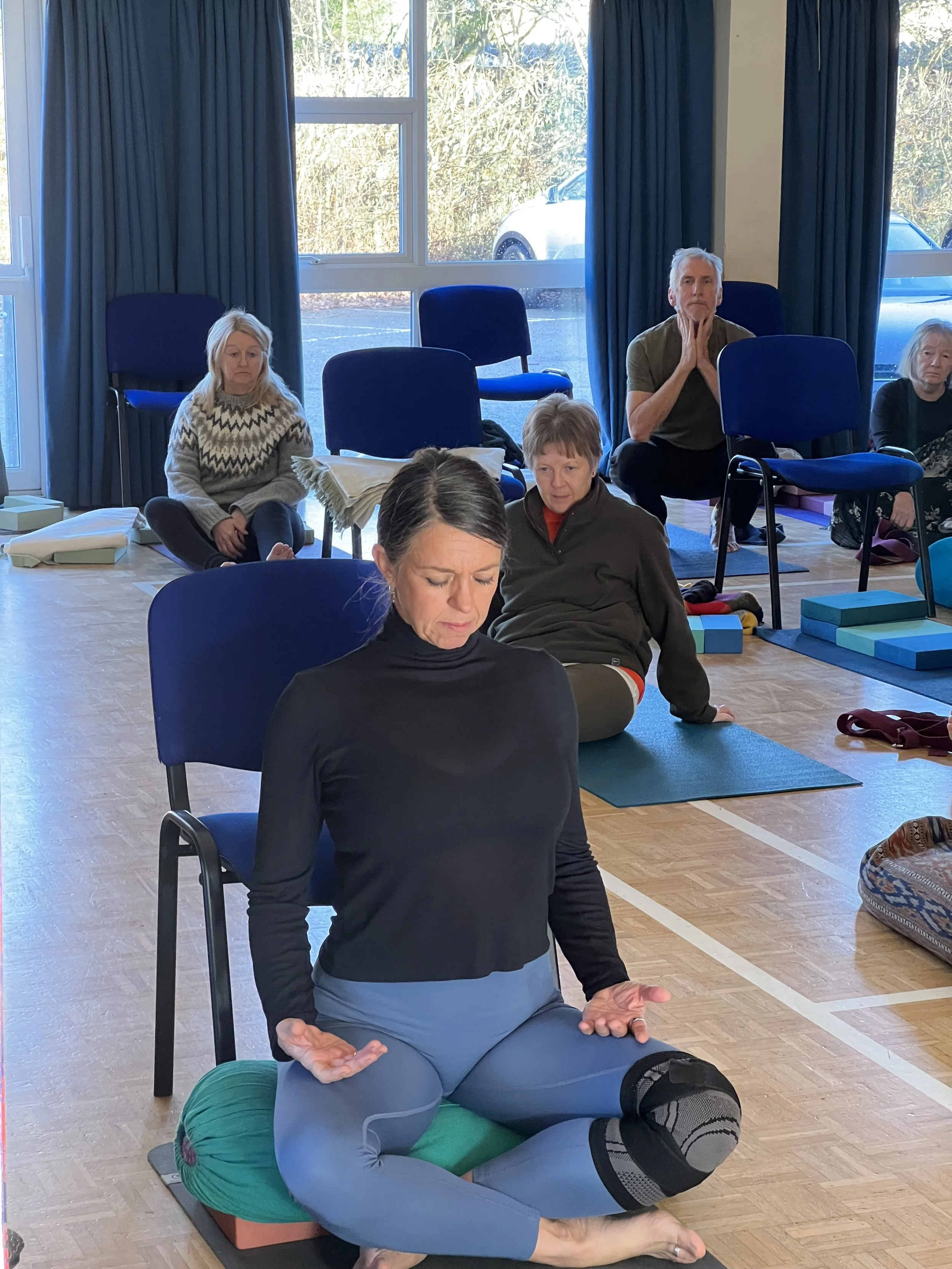
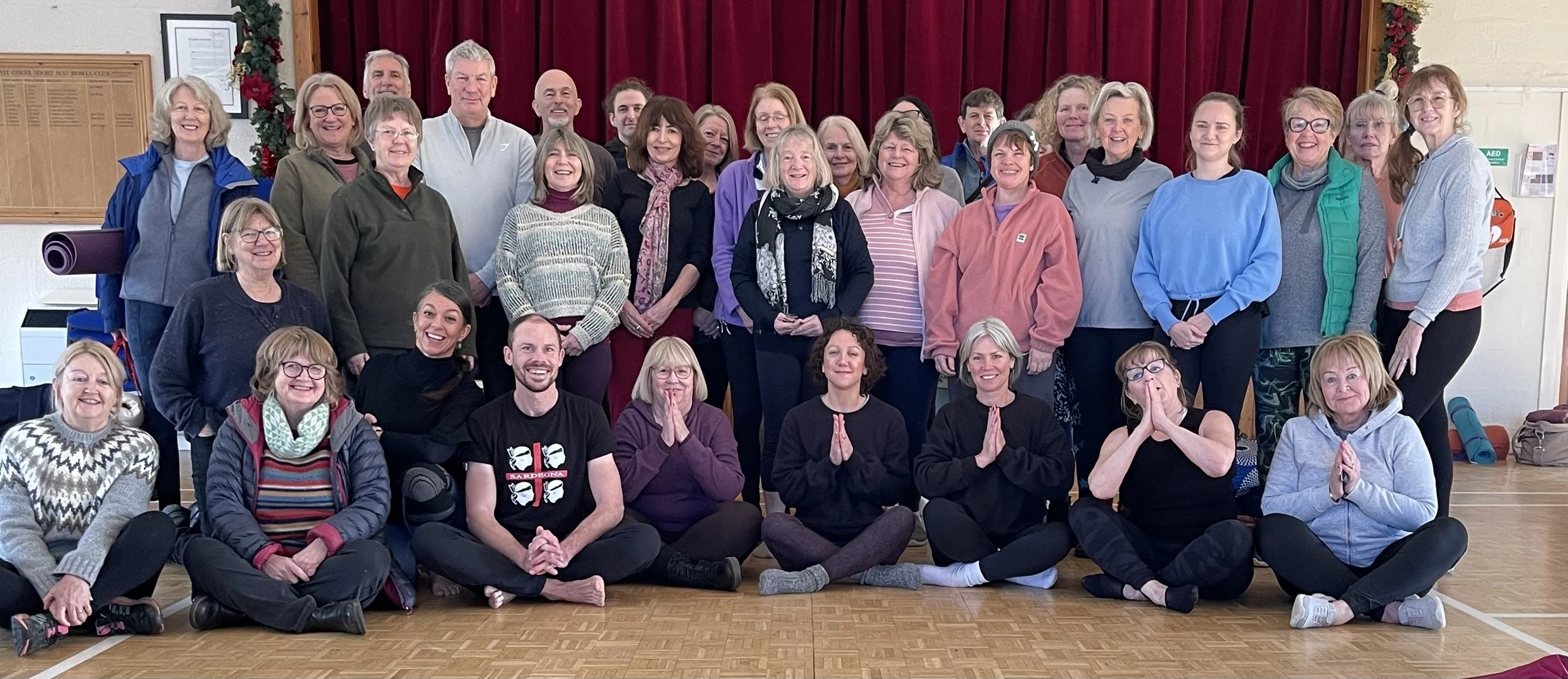
Reflections from todays New Year Workshop…….
We move through cycles. Years, seasons, breath, tides. January naturally invites reflection and for many an opportunity for a ‘fresh start’ and ‘beginning again’. But nothing truly begins from zero, we don’t start again, we return. We return to each January shaped and changed by some degree by our experiences and the passage of time. There is one part of us that never changes though, the eternal essence of who we are - the atman, the purusha, the soul….. Each turning of the year offers us the same quiet invitation: to notice where we are, and how we begin.
The very first of Patañjali’s Yoga Sūtras opens not with instruction, but with timing: atha yogānuśāsanam (1.1)- now, the discipline of yoga begins.
Atha means ‘now’- not meant with urgency but with presence. Not ‘when I’m ready’, not ‘when my life is less busy’, not when ‘I have lost a couple of pounds’… It reminds us that practice begins not when everything is perfect, but when we arrive fully in this moment.
Yoga is of course not just a series of postures, it is a state. A state of presence, awareness and compassion. It is a state in which we can meet life.
The word anuśāsanam is often translated as discipline, but not in the sense of force or control. Discipline is not harsh, perfectionism or self punishment. Discipline is showing up again and again, even when the mind or body does not want to. It is the willingness to return, to the mat, to the breath, to awareness - time after time. Discipline, in this sense, is a form of devotion, both rhythmic and responsive.
This is reflected beautifully in the body.
Before any movement of the arms or legs, the body organises itself from the centre. The transverse abdominis, the deepest layer of the abdominal muscles, wraps around the torso like a soft corset. Its role is not to create movement, but to support it. Research shows that this muscle often activates just before we move, preparing the body with stability and integrity rather than reacting afterwards.
This initiation happens most naturally through the breath.
As we inhale, the diaphragm descends and the belly softens. The transverse abdominis yields and lengthens, allowing space. As we exhale, the diaphragm rises and the abdominal wall gently recoils. The transverse abdominis responds with a subtle drawing inwards - not gripping, not forcing - simply supporting. When we allow this reflexive relationship to unfold, movement arises with more ease, safety, and clarity.
This gentle initiation mirrors how we practise yoga beyond the physical.
abhyāsa vairagyabhyam tan nirodhah (1.12)
the cessation of the mind's fluctuations (citta vrittis) is achieved through Abhyasa (consistent practice) and Vairagya (non-attachment),
In yoga philosophy, sustained practice is called abhyāsa — the repeated effort to stay present. It is not heroic, just consistent. It is our courage to begin again, especially after stopping. It is not about how long you have practiced… but how often you return. When that practice is undertaken with sincerity and care, it becomes anuṣṭhānam: practice with devotion, a concept introduced by Patañjali in the second chapter of the Sūtras. Not something we do to achieve an outcome, but something we offer our attention to, wholeheartedly. It becomes less a question of what we practice but how - our practice can become an offering if delivered with presence, sincerity and humility. Sacred and not performative.
Alongside this, in this sūtra, yoga asks for vairāgya - non-attachment. We practise fully, and then we let go of results. We don’t demand progress, flexibility, or a particular version of ourselves. Just as the transverse abdominis supports movement without controlling it, vairāgya supports practice without clinging to what it should produce. We don’t expect our practice to give us a flexible body, a calm mind or even a successful year…. We practice and we let life / god / mother nature decide what unfolds.
Intentions over resolutions
Curiosity over control
Trust over force
At the start of a new year, it can be tempting to push forward or aim for change. Yoga offers a quieter beginning. Like the lighthouse, we don’t control the waves…. we simply stay present and keep the light on.
As we begin our practice this year, starting from the breath and the centre is a way of honouring all of this. We begin with atha - now. We practise with steadiness and devotion. And we release the need to know where it will take us.
We begin where we are.
We begin from the centre.
And from there, movement and meaning naturally unfolds.
At the heart of this way of beginning is sankalpa, or a heartfelt intention. A sankalpa is not a goal or something to achieve. It is a quiet inner orientation, a reminder of what matters, that we return to again and again. Like the transverse abdominis initiation gently preparing the body to move, sankalpa supports us from within. As we move through the coming year, we don’t force our way into change. We practice, we return and we allow our intention to guide how we meet each moment.
How will discipline, intention and practice look for you this year?